In hospital environments requiring continuous operation, low-voltage equipment must first be tested for power failure recovery.
Functioning normally on the day of acceptance does not guarantee long-term reliability
Low-voltage systems in hospital projects must handle nighttime operations, unscheduled maintenance, and localized power outages. Whether devices retain their addresses, scenes, statuses, and alarm logs after power restoration is more critical than the success of a single demonstration.
If a smart hospital project involves multilingual documentation, local installation teams, or third-party BMS platforms, the completeness of materials addressing the principle that “working on the day of acceptance does not guarantee long-term reliability” will directly impact delivery efficiency. Chinese and English documentation, point lists, and label naming should ideally be consistent from the very beginning.
Compiling all documentation related to the principle that “normal operation on the day of acceptance does not guarantee long-term reliability” into a unified package ensures that procurement, integration, installation, and operations teams share a common understanding of interfaces, wiring, configurations, and acceptance criteria, thereby reducing ambiguity regarding responsibility boundaries in the future.
Sample testing must simulate real-world failures
Building controllers, smart relays, gateways, and sensors should all be tested for power-off recovery, communication recovery, address retention, and status synchronization. This is particularly critical in pharmacies, patient wards, and logistics areas, where a single failed recovery could result in extensive manual troubleshooting.
Purchasers can first break down the requirement that “sample testing must simulate real-world failures” into three levels: equipment, interfaces, and services. At the equipment level, examine product installation requirements; at the interface level, review point tables, feedback mechanisms, and error descriptions; and at the service level, assess whether the supplier can keep pace with on-site adjustments.
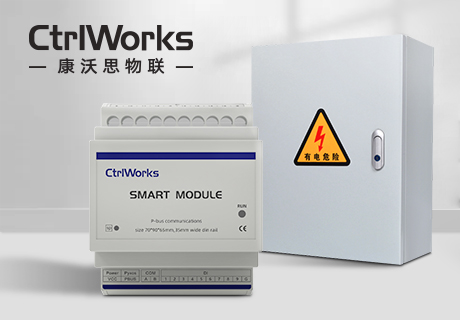
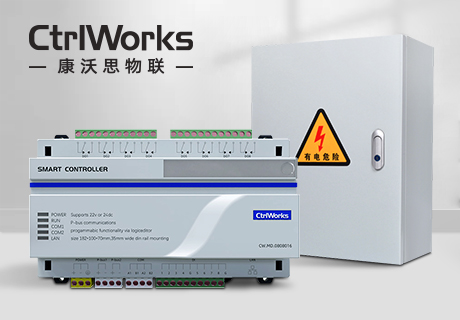
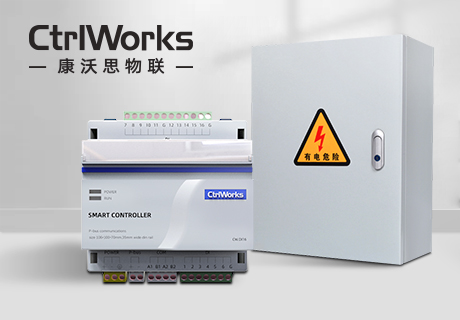
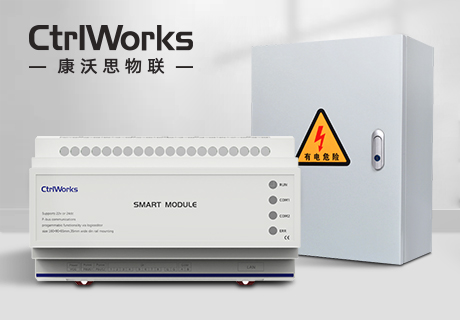
In smart hospitals, building controllers, I/O modules, environmental sensors, dry contact modules, smart lighting, and energy metering interfaces are often installed and maintained by different teams.If the naming conventions, addresses, labeling, and spare parts rules corresponding to “simulating real-world faults during sample testing” are not clearly defined in the early stages, system maintenance will become burdensome later on, even if individual components function properly.

Clarify versions and spare parts during procurement
Confirm before placing an order whether the supplier can provide the same model or compatible alternatives long-term, whether firmware versions are traceable, and whether replacement devices require reconfiguration.
"Clarify versions and spare parts during procurement" is best addressed during the smart hospital quotation phase, rather than relying on on-site coordination after installation is complete. Suppliers should at least provide typical wiring diagrams, protocol point examples, sample testing recommendations, and replacement model specifications.
If regional adjustments, equipment replacements, or platform integration changes arise later, the “Verify Version and Spare Parts During Procurement” documentation compiled in advance allows the engineering team to quickly trace the cause. Without this documentation, time is wasted tracing wires, verifying addresses, and reinterpreting status meanings.
Include Power Outage Recovery in Verifiable Contract Terms
- Require the supplier to provide on-site wiring diagrams, point naming conventions, status feedback, and procedures for handling exceptions specifically for power-off recovery.
- During the sample phase, do not limit demonstrations to power-on tests; instead, simulate communication interruptions, power-off recovery, manual intervention, and configuration retention after replacement.
- Include power failure recovery in RFQs or technical clarification documents, specifying point tables, wiring diagrams, exception descriptions, spare part replacement cycles, and technical communication channels.
- Building controllers, I/O modules, environmental sensors, dry contact modules, smart lighting, and energy metering interfaces constitute the core components of the control and data links. For low-voltage distribution boxes, terminal blocks, relay sockets, power modules, network cables,identification labels, cabinet accessories, and on-site installation materials must be verified separately for electrical parameters, installation dimensions, certification documentation, packaging labels, and replacement procedures.
- When conducting a bundled procurement, do not simply combine all materials into a single quote. Instead, first distinguish between in-house products, procured components, designated brand products, and products requiring local certification.
- Since “normal operation on the day of acceptance does not guarantee long-term reliability” is highly dependent on on-site conditions, conduct a small-scale pilot first, then incorporate the pilot results into the rules for bulk procurement.
Ensure Power Outage Recovery Is Clearly Defined in the Quotation Phase
When smart hospital projects require power restoration capabilities to be included in the list of procureable equipment, CtrlWorks can serve as a Chinese supplier to provide product selection, bundled procurement, and OEM/ODM communication support. During procurement discussions, clearly distinguish between in-house products, complementary products, and products requiring specific brands to avoid defining the scope too broadly without sufficient acceptance criteria.