How to evaluate dry contact alarms in data center support area projects
Project context for dry contact alarms
data center support area projects should treat dry contact alarms as part of the whole weak-current and building automation scope, not as an isolated device purchase.
The buyer should split this issue into equipment, interfaces and service responsibilities, so installation conditions, point lists, feedback states and supplier response are all clear before ordering.
Because controllers, I/O modules, gateways, sensors, lighting devices and metering interfaces are often installed by different teams, naming, addresses, labels and spare parts rules should be agreed early.
Device and interface requirements
Controllers, lighting modules, sensors and gateways should be organized according to the actual project zones and operating logic, instead of being added to one system without structure.
At the inquiry stage, ask the supplier for wiring examples, protocol point list samples, sample test suggestions and replacement model notes related to dry contact alarms.
If zones, devices or platform integration change later, these documents help the engineering team trace the cause without spending excessive time checking wiring and addresses.
Supplier documents and maintenance handover
Besides product parameters, the supplier should provide naming rules, point grouping suggestions, wiring diagrams and device label rules that support future maintenance.
For overseas buyers, supplier understanding of the data center support area site is more important than a simple stock answer; the devices must connect, report status and recover from abnormal conditions.
Writing these requirements into technical clarification or contract attachments makes them verifiable during acceptance and separates engineering support from simple trading supply.
Procurement checks for dry contact alarms
- Ask the supplier to describe site assumptions for dry contact alarms, including installation position, wiring length, power supply, communication distance and commissioning responsibility.
- Test normal operation, abnormal recovery, device replacement and batch address settings related to dry contact alarms.
- Request point list samples, terminal definitions, mounting accessories and after-sales replacement rules.
- Check protocol compatibility and data feedback for control products, and verify material, specification, certification, packaging, transport risk and spare ratio for supporting ELV products.
- One-stop procurement reduces coordination cost only when every product category has clear acceptance criteria.
- If site conditions are uncertain, run a small pilot order first and turn the result into bulk procurement rules.
Supply support for dry contact alarms
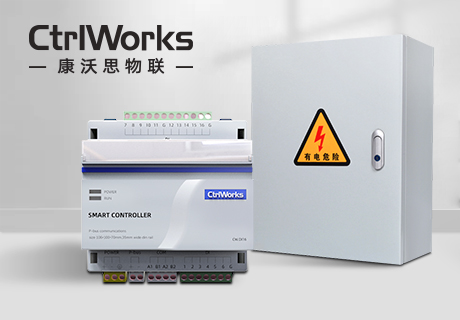
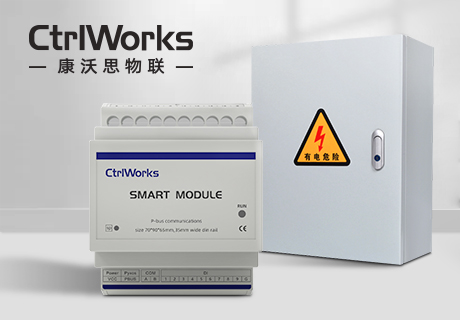
For dry contact alarms, CtrlWorks can support product selection, interface documents, spare parts planning, OEM/ODM discussions and bundled sourcing of related ELV accessories before the order is finalized.